In a nutshell, the 2026 cosmetic tattoo regulations in Australia are straightforward. Since cosmetic tattooing is for the most part considered a skin penetration procedure, operators will as a rule require registration or approval from the appropriate state authority or local council, along with proper training, infection control and the right premises. The paperwork you have to put in order will vary whether you are in New South Wales, Victoria, Queensland, Western Australia, South Australia, Tasmania, the ACT or the Northern Territory.
Mitchell Bancroft has put together this guide to set out the practicalities for the artist, the salon owner and the client. One finds here an account of skin penetration permits, what is expected in the way of qualifications and premises, how to register with the council and where people tend to go wrong. But rules are not set in stone; do not open a studio or put bookings on the books without checking with the council on the application requirements first.
Australian Rules in Practice
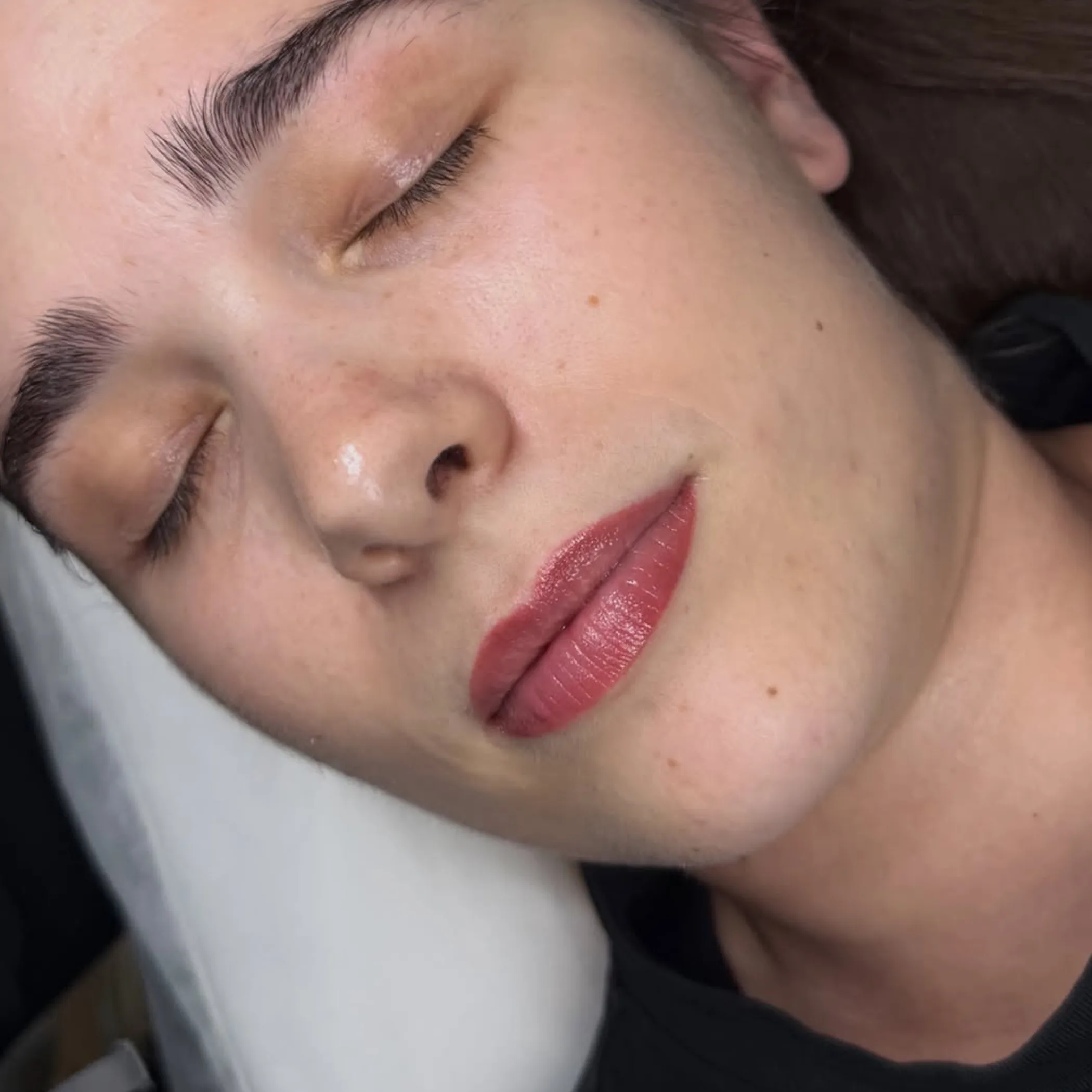
There is no single national licence for cosmetic tattooing in Australia. Public health legislation is the domain of eight jurisdictions across the states and territories and it is often up to the local councils to dole out approvals and carry out inspections of the premises. An artist providing the same micropigmentation service as another might be presented with different fees, forms and the like simply by virtue of his or her location. This includes the permanent eyeliner tattoo procedure.
Authorities are apt to view any service that puts pigment into the skin, such as a permanent eyeliner tattoo, microblading, brow or lip blush, as a skin penetration procedure and not your run of the mill beauty treatment.
The Scope of the Permit
Registration is typically for the operator, the premises or the two in combination. Before the site is given the nod, the authority will want to see that hand-washing, sterilisation of equipment, ventilation, lighting and storage are in order, as well as the disposal of sharps and cleaning protocols.
A certificate from some private training outfit does not of itself mean you can operate. That is proof of competence; permission to carry on regulated business at a given spot comes from the local council.
Is it a Licence?
While “cosmetic tattoo licence Australia” is a handy search term, it is something of a misnomer in many places where what is called for is a form of council or premises registration. In some jurisdictions tattooists and parlours are regulated in their own right, as are higher risk body art services. Your application should be precise as to the services on offer.
Duties of the Business and Artist
Compliance can be multi-faceted for an operator, encompassing everything from public liability and waste to the keeping of client records and maintenance of equipment. A home salon is subject to the same public health examination as a commercial one since the room size is not what presents the risk, the procedure is. All too often the question is asked if the artist holds a certificate but nobody inquires as to whether the room is registered. An unapproved work space is a compliance issue even with a well trained artist in it.
An Overview of State Requirements

For a working knowledge of the regulations by state the table below is a good place to start. It is no replacement however for written assurance from the health department or council who will be the ones to assess your premises.
| Jurisdiction | Typical approval pathway | Common pitfalls |
|---|---|---|
| New South Wales | Local council must register or approve skin penetration premises; further obligations for tattooing may apply | To think cosmetic tattooing is not covered by skin penetration rules |
| Victoria | Registration of the premises under public health law with the local council | Getting started prior to council’s inspection |
| Queensland | Personal appearance services need local government approval, higher risk ones more so | Home salons operating without verifying the service category |
| Western Australia | Assessment by the local government for personal appearance and skin penetration | Not giving enough thought to fit-out conditions or regional council variations |
| South Australia | Skin penetration activities are subject to public health and local council rules | Lacking documentation on sterilisation, cleaning and sharps |
| Tasmania | Health and hygiene backed up by local council registration | Exempting mobile or home work on a whim |
| Australian Capital Territory | Regulated personal appearance activities must meet territory and local health standards | Failing to see if separate approval is needed for each activity |
| Northern Territory | Practical issues of the wet season and remote work aside, local or territory health approval is needed | Waste and infection-control logistics are underestimated |
New South Wales
Businesses in NSW would be well advised to have a word with the local council before they put out an advertisement or begin to fit out a room. It is part and parcel of environmental health to have the premises for skin penetration evaluated; in some cases a council will want to see registration, an inspection and proof of compliance with the standards.
For an authoritative way to go about it one can turn to the NSW Health guidance on skin penetration. It makes plain the need for robust infection control when a procedure is going to pierce or puncture the skin.
Tattoo Categories: be sure to look at these closely
There are rules in New South Wales for tattoo parlours and the like. The manner in which a cosmetic tattoo service is put forward and defined will determine if it is subject to a distinct tattooist licence. Do not put stock in an exemption without first putting a query in writing to the council or the appropriate NSW body.
And where there are complaints over health, safety, advertising or conduct, the Health Care Complaints Commission could come into play. Have your incident records, consent forms, treatment notes, aftercare and pigment details in order from the outset.
Registration in Victoria
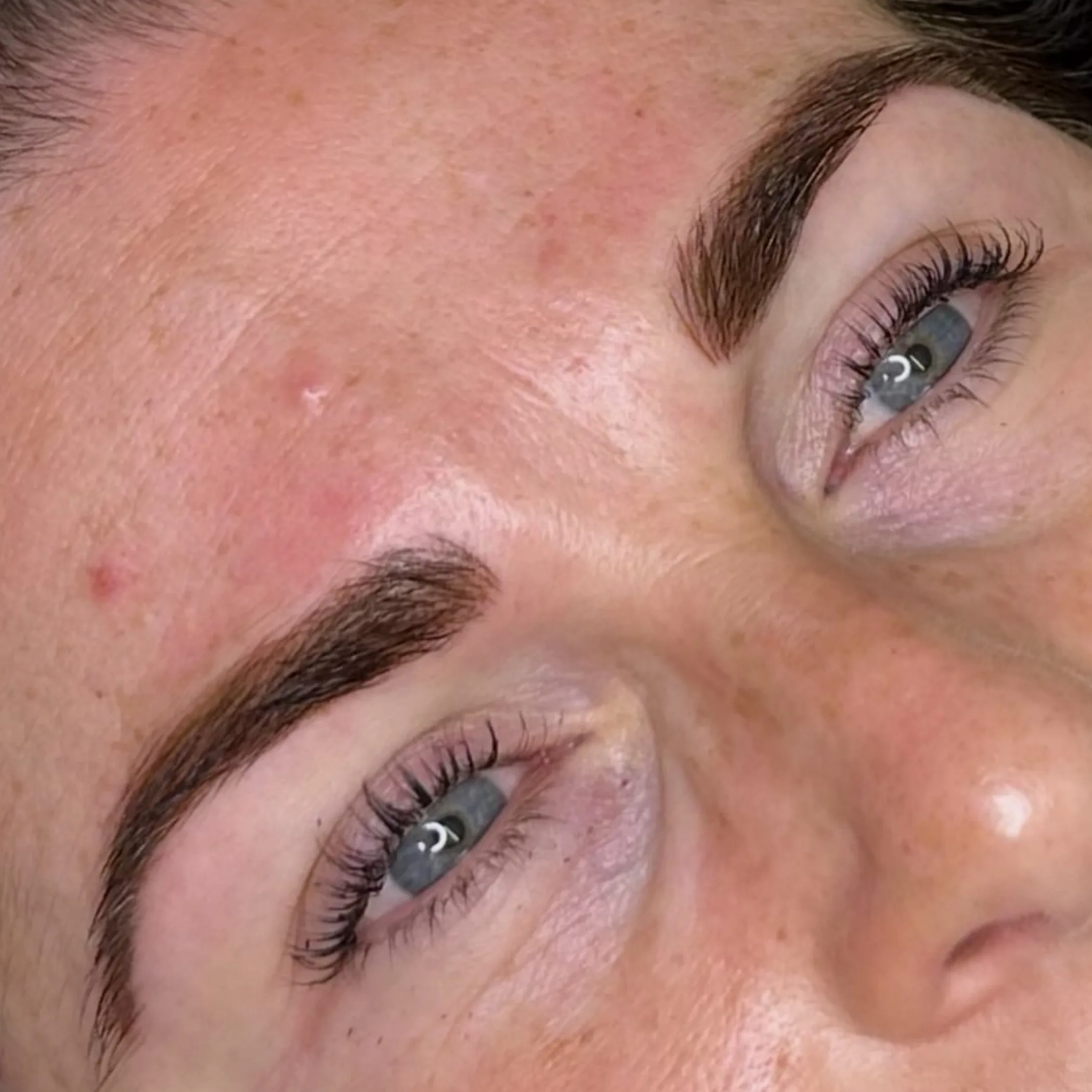
Under the Public Health and Wellbeing Act 2008 and its 2019 Regulations, Victoria has oversight of skin penetration work. Since cosmetic tattooing is viewed as such a procedure, the local council will typically insist on the premises being registered prior to any services being offered. An inspector may come round to see what the room is like and if the fit-out is conducive to safe practice, looking at everything from the hand-washing facilities and washable surfaces to how you store chemicals and dispose of sharps.
Make use of the Victorian categories
Victoria will make distinctions in personal care and skin penetration. Put in a full list of what you do with the council, down to the microblading, lip blush, micropigmentation and eyeliner. A poorly defined application will only cause delays once an inspector uncovers other procedures.
Do not be under the impression that council registration for skin penetration is carte blanche for your signage, parking, renovations or home-business arrangements; planning and tenancy issues are separate matters.
Service Approval in Queensland
Public health and local government dictate the terms for personal appearance services in Queensland. With the pigments and equipment involved in cosmetic tattooing, the authorities are likely to be more exacting. Make contact with the local government in Queensland before you open and lay out each procedure. Inquire as to the licence category, operator credentials, waste disposal and what restrictions, if any, a home salon is under.
Take local conditions into account
Infection control and the layout of the premises are things a Queensland council will be practical about. And the process in Brisbane will not be the same as in a regional or small council, so do not be swayed by the experience of an operator in another area. Then there is the matter of heat and humidity in Queensland, which puts extra strain on storage and cleaning. In the tropics one needs a contingency for the wet season and the risk of mould or power loss. There is little point in a well appointed treatment room if the sink is hard to get to or the pigments are left to the heat.
Western Australia
Here one will normally approach the local government for approval of a skin penetration or personal appearance service. Be it a mobile operation, home salon or commercial studio, council officers will want to have a look before they register it.
Given the size of Western Australia, what is required in Perth can seem a world away from the Goldfields, Pilbara or the South West. If you have more than one studio or are travelling between them, check with the council in whose jurisdiction the service is actually being done.
The distance factor
Remote working presents its own problems with water, clinical waste, moving equipment and follow-ups. Should a client have a reaction and need to be seen again, it is a long drive back rather than a short hop across town. Such aftercare and referrals should be factored into the business plan. Up north the wet season and cyclone alerts from November to April can impede access and deliveries. They are operational risks but can also become a question of hygiene if equipment is not properly protected in transit or put away in a hurry.
South Australia and Tasmania
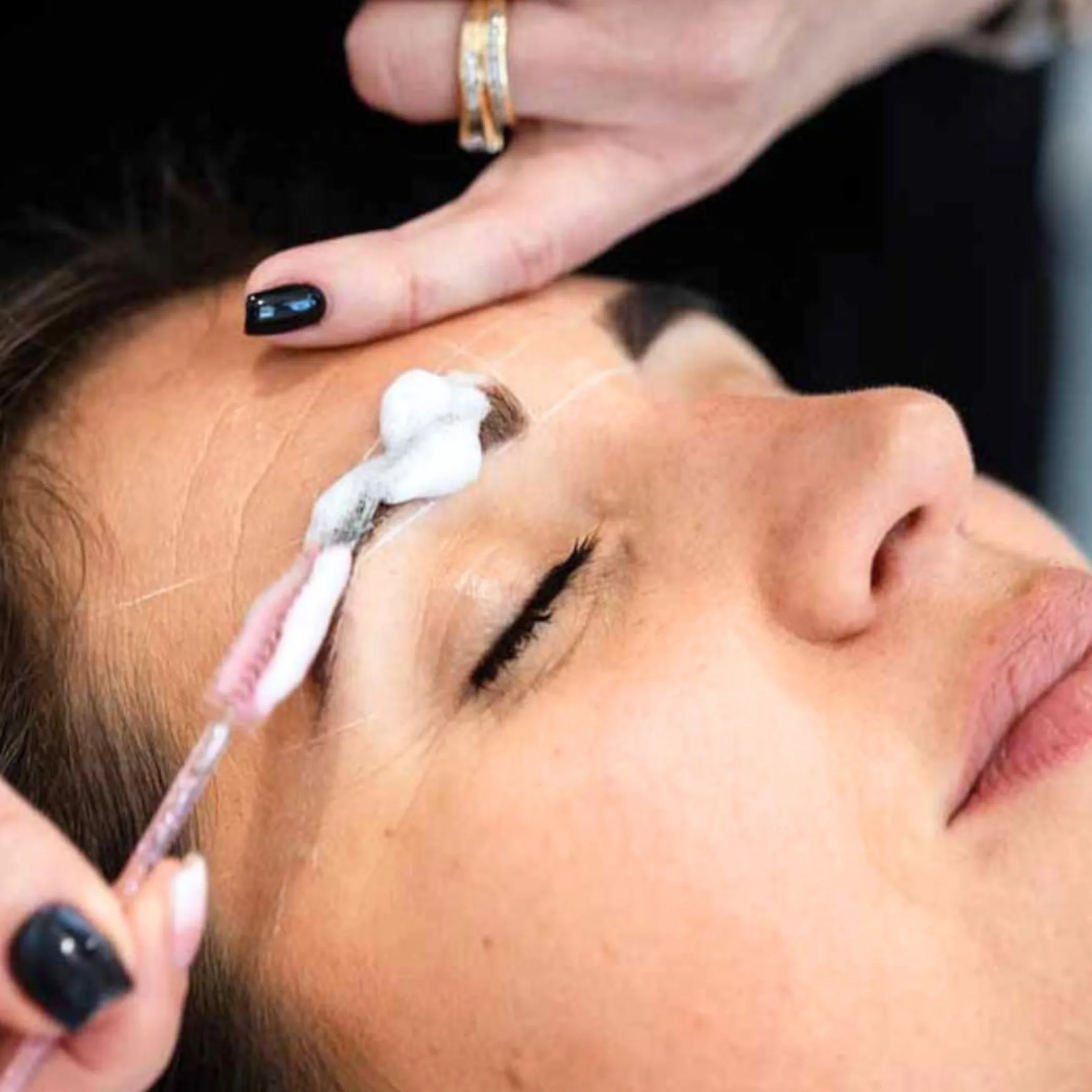
Start with the council in these states. The environmental health teams there are the ones who will be doing the assessing and inspecting for skin penetration. Your application must spell out the equipment, waste and procedures.
A home studio of modest proportions is not to be considered low risk. Even in a single room there has to be a system for contaminated items and the management of sharps, as well as cleanable surfaces and good hand hygiene.
When setting up a home salon
When setting up a home salon one should enquire as to planning approval and what the landlord or strata will permit, as well as matters of client access, parking and toilet facilities. There has to be a clear division between where the household goes about its business and the treatment areas. The working zone must be kept clean and not encroached on by pets or children, nor by food prep and laundry. A dog like Frankie is all well and good but he is not something a council inspector will have in a sterile environment.
Then there are local conditions to contend with. In Tasmania the cooler weather can lengthen the time it takes for surfaces and laundry to dry; in parts of South Australia you may find supply and waste collection more of an issue. It is better to have consumables in order before opening than to make the discovery that the approved disposal service is hours out of the way.
Rules in the ACT and Northern Territory
The health administration in the Australian Capital Territory and the Northern Territory is their own affair, yet any operator of a cosmetic tattooing service must see to local approval, register the premises and meet infection-control obligations. What authority has jurisdiction will be a function of the service category and location.
In the ACT it is a case of looking at territory health requirements in addition to home-business and planning rules. For the Northern Territory, the Top End’s heat-sensitive supplies, water reliability and the wet and dry seasons need to be taken into account.
Wet Season Considerations
Flooding in the NT during the wet season has a way of putting a stop to roads, couriers and your clients. The dry brings its own problems in the form of dust and temperatures that put a strain on cleaning and storage. An operator worth his salt will have emergency supplies and a cancellation policy for when the weather or roads get rough as guts, and will ensure sterile items are safeguarded. Those who travel to remote communities or Aboriginal land would do well to sort out permissions and local arrangements first; the Stuart Highway is the route of choice but it is no substitute for a sound plan.
Training and Infection Control
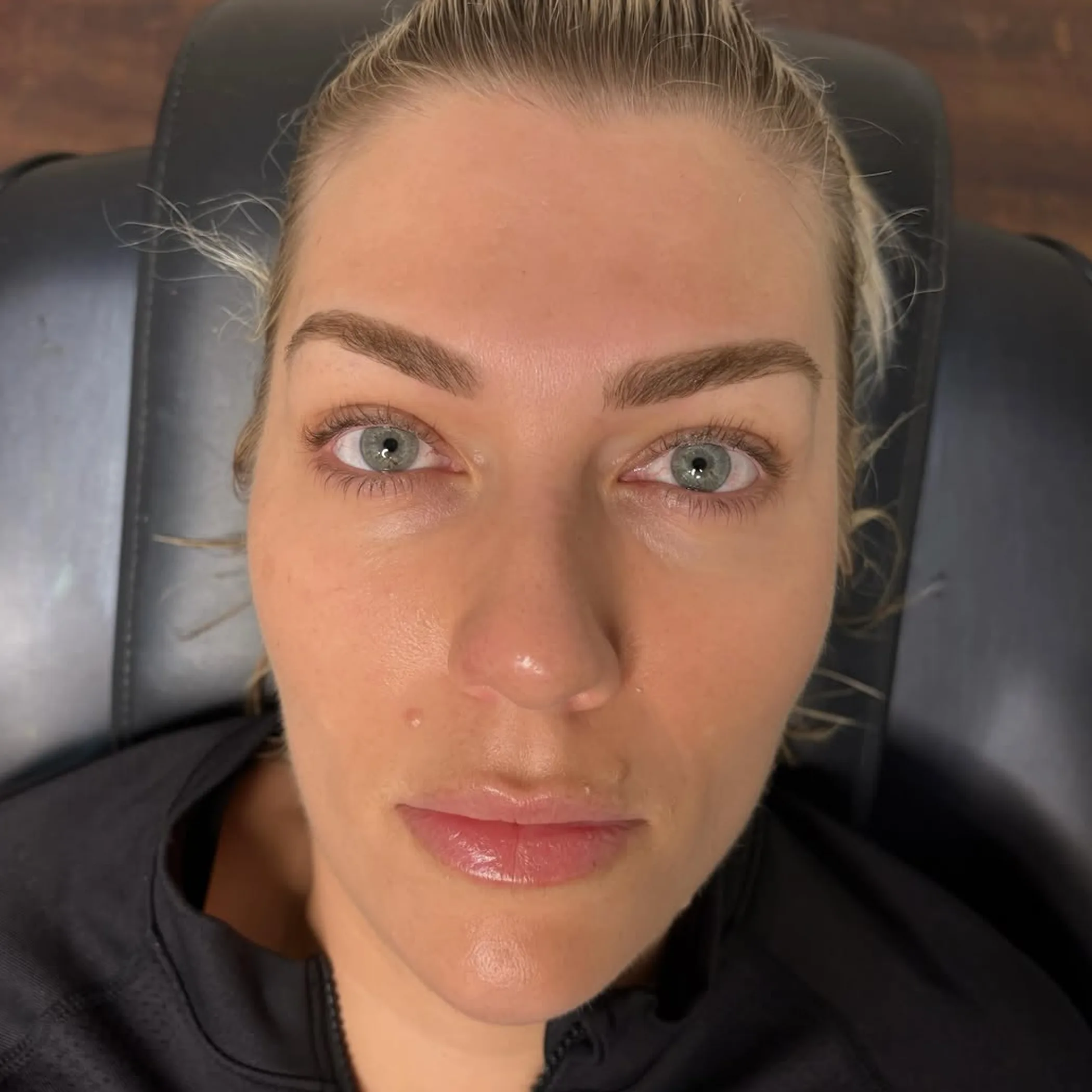
An internet search for cosmetic tattoo qualifications in Australia will turn up plenty of courses but a competent one is more than that. Training needs to be thorough and encompass skin penetration, blood-borne viruses, hygiene, contraindications, how to handle pigment and incident response, as well as client consultation and aftercare.
SHBBINF002 is the unit of choice in beauty training for infection control in skin penetration work. One should verify the current package and make sure the course is fit for the procedures in question. A certificate is supposed to be evidence of competence, not a record of attendance.
A Checklist for the Workplace
- Get written advice from the council or territory on the proper registration or permit.
- Put in the infection-control training, SHBBINF002 being the usual.
- Have a plan of the premises to hand that delineates the treatment, storage, cleaning and waste spaces as well as hand-washing.
- Maintain records of equipment processing and employ single-use or sterile items as they should be used.
- Do not wait until the first appointment to put in place disposal for sharps and clinical waste.
- All records pertaining to consent, consultations, incidents, pigments and aftercare are to be kept secure.
- Look over your insurance, what you are advertising, screening of clients and your emergency protocols.
There is no room for reusing a needle or cartridge, or making do with domestic equipment for sterilisation. Should the process not adequately separate the contaminated from the clean, put a halt to it and put things right before you take on clients.
Getting Ready for Inspection
An environmental health inspector will have an easier time if the room and the paperwork are in agreement. The treatment area ought to be free of clutter with washable surfaces and clean supplies put away from any handling, splash or dust.
You may be required to have a hand basin of your own, liquid soap, disposable towels, the right kind of lighting and flooring or benches. Requirements differ so it is wise to have the council’s checklist in hand before committing to a lease or ordering cabinetry.
What you might expect and what actually is
It is tempting to think a spare bedroom with a treatment bed is good to go. The reality is the council could have you alter the plumbing or the way you store waste, or demand better separation from the rest of the house. To have to rectify such things once they are in place is a price you will pay for not having planned accordingly. When a day is all you have to get ready, make it a priority to see what the premises requirements are and that the approval pathway is in order. Leave the selection of pigment shades for another time if the council application is still up in the air. Public health approval has to be put before such things as client access, parking and transport.
Who This Guide Is For
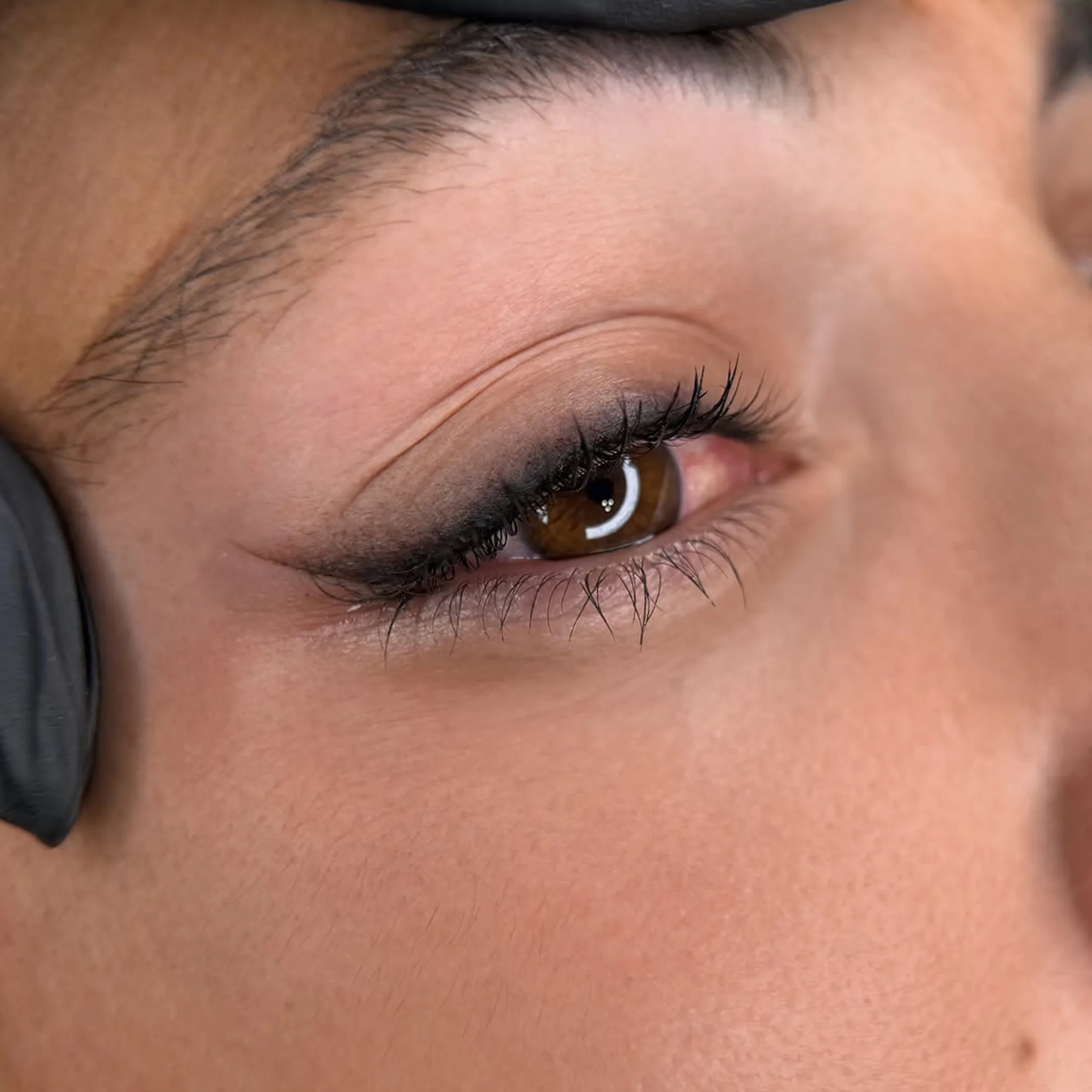
We have put this guide together for the benefit of cosmetic tattoo artists, whether new or of long standing, as well as beauty businesses venturing into permanent makeup, mobile operators and home-salon owners. A client can also use it to gauge the legitimacy of a provider. One will find it particularly handy prior to putting down money on an expensive course or signing a lease.
It cannot stand in for a written determination from the council or legal counsel of an individual kind. Those who would undertake invasive procedures want current training, proper premises and a way to dispose of waste; without them they should not start. The skin is indifferent to how good an Instagram feed may be, and cosmetic tattooing is no casual craft.
Frequently Asked Questions
What Are The Legal Restrictions On Tattooing In Australia?
The rules are different in every state and territory. You could be looking at operator licensing, registration of the premises, advertising obligations, infection-control duties and matters of age and consent with regard to tattooing and cosmetic tattooing. Be sure to verify the regulations for the place where the work is done.
What Qualifications Do You Need For Cosmetic Tattooing?
In most cases practical training in cosmetic tattoo and some form of infection-control education for skin penetration work are called for. SHBBINF002 might be part of your training but do not assume it is a complete qualification in its own right or that it will satisfy the council.
Is Cosmetic Tattooing Deemed Skin Penetration?
As a rule, yes. With microblading, lip blush and micropigmentation the skin is punctured to put in the pigment. Hence the pertinence of Australia’s skin penetration and infection control requirements for cosmetic tattoo.
Do Cosmetic Tattooists Require A Licence In Australia?
You will not find one national licence for all. The jurisdiction may demand a body art tattooist licence, a personal appearance service licence, council registration or something else by way of authorisation. Have the local authority put your services in their proper category.
Council Approval For A Home Studio?
Very often. Even in a home salon you may be subject to planning and building or tenancy checks, an environmental health inspection and local council registration for skin penetration. The risks to clients are no less so and home-based operations are not given a free pass.
What Infection-Control Training Is Required?
Expect to be trained in sterilisation, disinfection and cleaning, hand hygiene, PPE, sharps, blood-borne viruses, waste, exposure incidents and aftercare for the client. Rely on the official guidance in your jurisdiction and check with the council on what is required now.
Permits To Open A Studio
You will come across requirements for insurance, waste arrangements, operator training and an inspection of the premises, to name a few. Planning and building approvals may be needed. It is a matter of the procedures you offer and the particular state or territory and council.
Make Compliance Your First Appointment
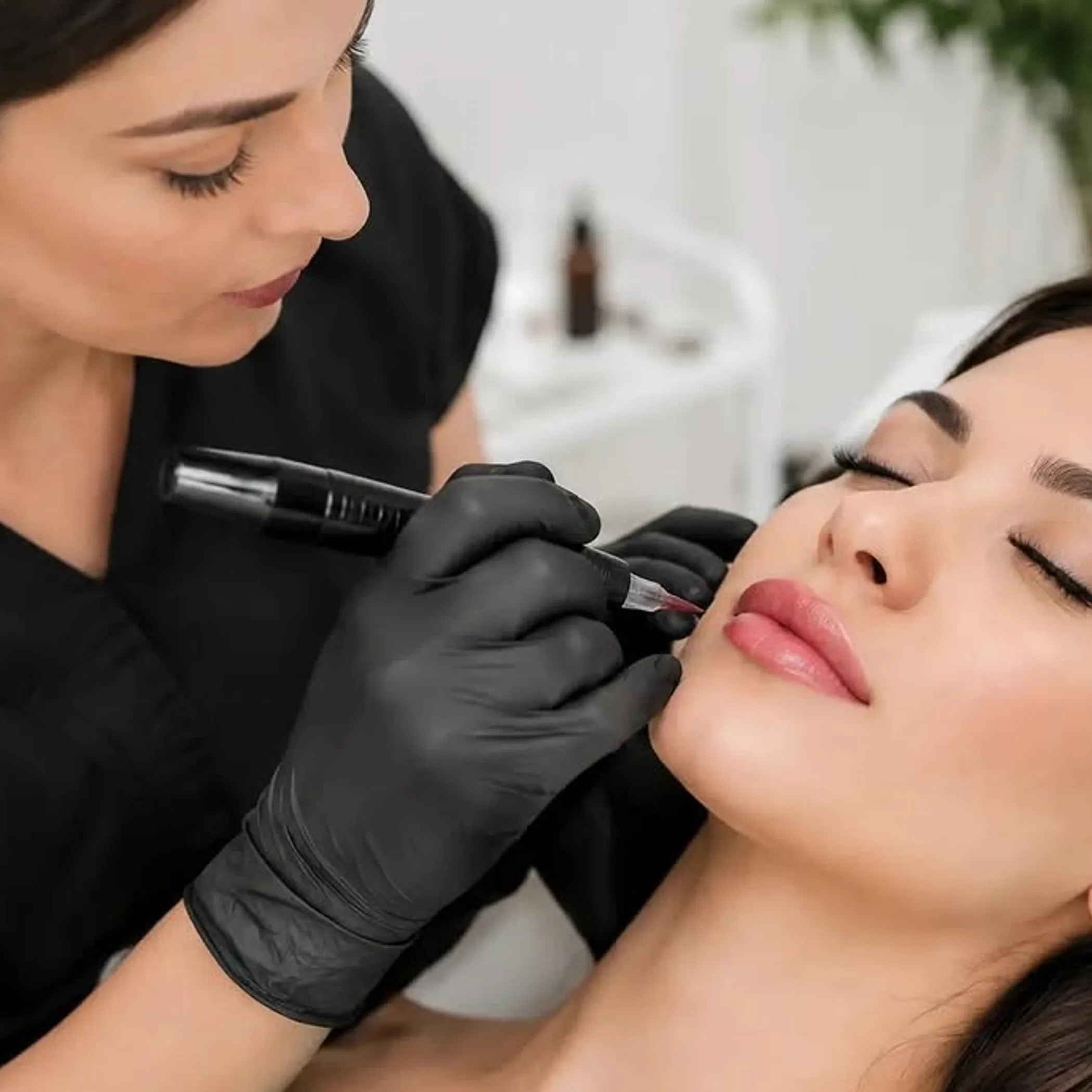
There is a practical way to go about tattoo licensing in Australia in 2026: put in writing the approval category, ring the appropriate authority with a list of your services, get the training and put the premises in shape before any deposits are taken. Anticipate routine inspections and keep your records and procedures in order.
These rules are as they are when we write but could be altered in 2026. What the council says for your location is final. A studio in compliance is a safeguard for the artist and the client and spares you an expensive headache over a little paperwork.