There is a way to make sense of the 2026 regulations for cosmetic tattooing in Australia that does not put one to sleep; it is in knowing where the federal rules end and those of the state, territory or local council begin. Put simply, you will be viewed as providing a personal appearance service or skin penetration, and whether your operation is lawful will come down to your training, procedures, location and the approvals you have from the council.
Mitchell Bancroft here. I have a habit of noticing the details others let slide: a form not put in, a handwashing basin installed after the fact, or some “quick home setup” that contravenes a planning rule. What follows is a guide on what to have in order before you put semi-permanent makeup, an eyebrow or lip tattoo or micropigmentation on offer in this country.
Cosmetic Tattoo Rules In Australia
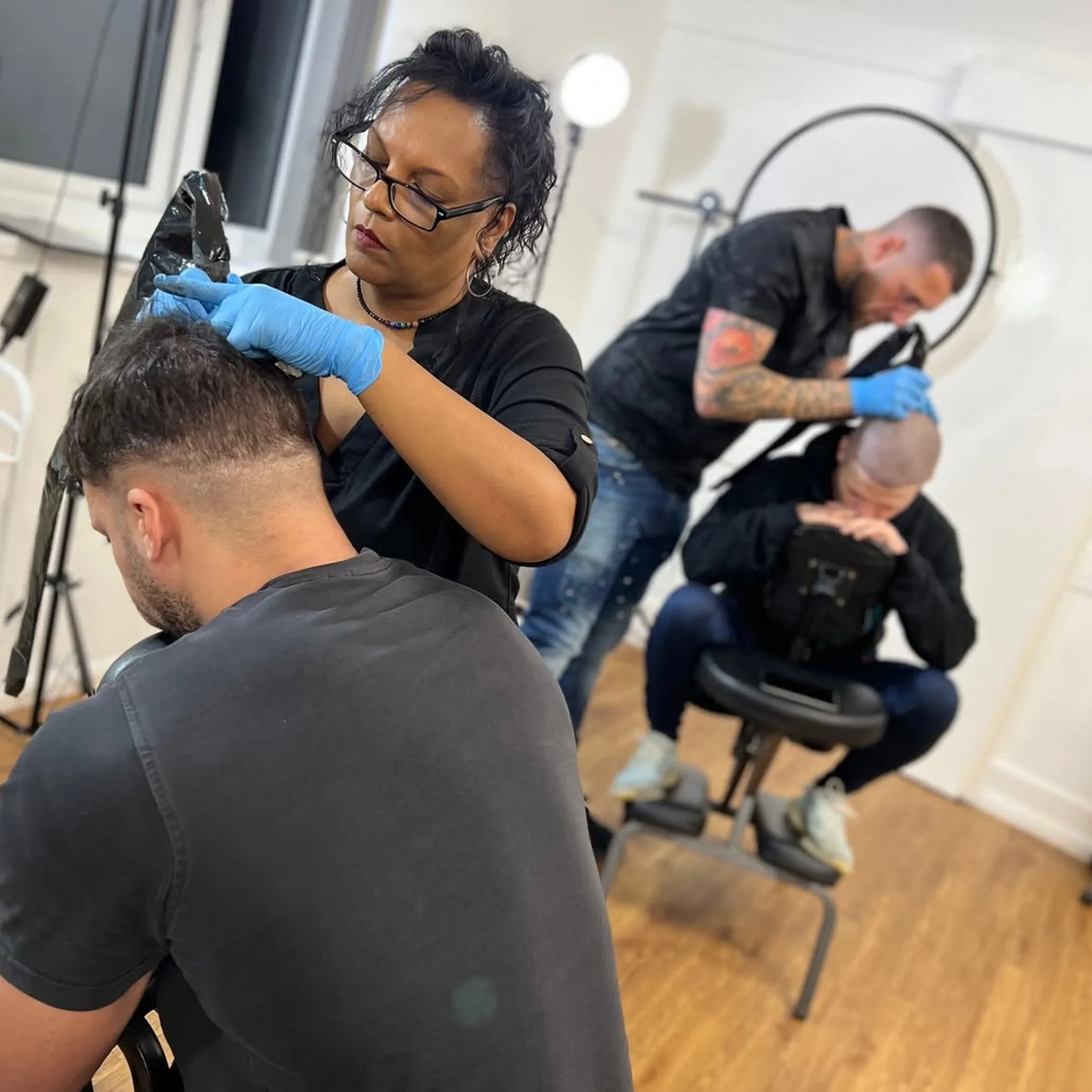
For a start, there is no single licence in Australia that will cover all operators and every address. You are dealing with state and territory health laws in addition to business registration, workplace safety, waste disposal and the dictates of the local council.
Unless the local authority puts you right, consider cosmetic tattooing a regulated form of skin penetration. And because the rules are subject to change, do not open or move without first checking with the state health department and the council in question.
One Service, Several Regulators
Whether it is a mobile service, an individual or a business entity, cosmetic tattooing can present several distinct obligations. Do not think a course you have done is carte blanche for your premises, nor that being registered with the council vouches for your training.
AHPRA is for the registered health practitioner, not a universal licensor of cosmetic tattoo artists. Having public liability insurance or a beauty qualification is no substitute for the operator licence or premises registration called for in some places.
The Licence Question
Is a licence required to tattoo in Australia? The answer is often yes, but it is a matter of the service type and where you are doing the work, be it a fixed site, mobile or a home studio. Some will regulate via a tattoo operator licence, others by way of council notification or approval for a personal appearance service. Because cosmetic work is not the same as a traditional body tattoo it can appear in a grey area, making written confirmation all the more important.
Know Your Address
Put in an enquiry to the council where you intend to operate. Find out if they see cosmetic tattooing as tattooing, a higher-risk service or something else. Do you require an operator licence, a police check, planning or health inspection, or to register the premises?
File the council’s reply in your records. You may have a good talk on the phone, but when an insurer or inspector wants to know how you established compliance, a written direction is much better to have.
On Training and Infection Control
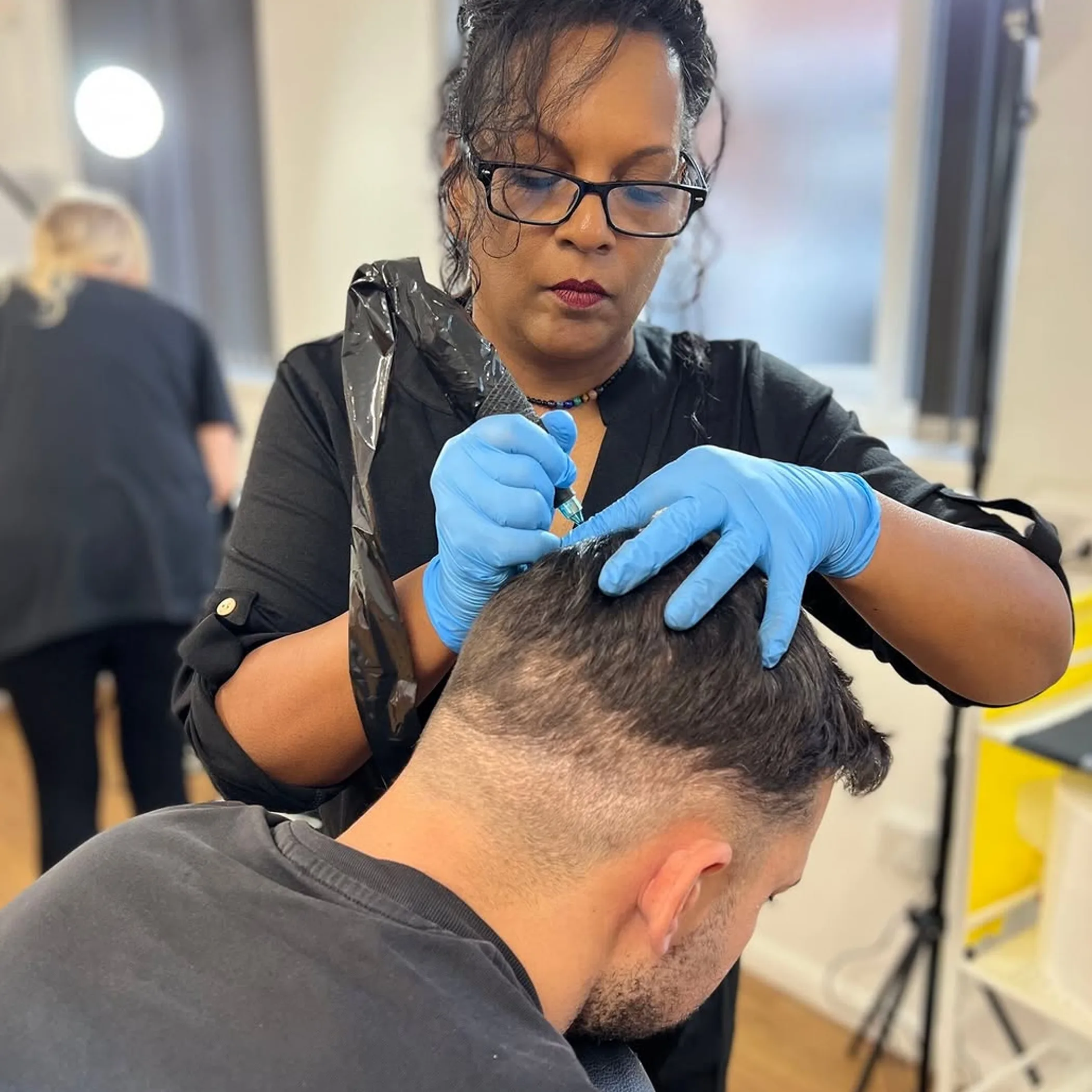
Your training should be more than a badge for marketing. It is to ensure you can handle sterile and single-use equipment, get proper consent, deal with blood and body-fluids and put adverse events to rights.
You will see qualifications such as a Diploma of Cosmetic Tattooing or similar vocational credentials from providers in Australia. Look at the RTO, the code and the units on offer; an online certificate of short duration might not pass muster with an insurer or the council.
Recognised Training
Infection-control courses will often feature HLTINF005. But what the council deems acceptable can vary by jurisdiction, so do not be guided by an advertisement. As for the SHB50321 Diploma of Cosmetic Tattooing and its Design and Provide unit, these may well be part of an operator’s path but they are not incantations that will win you a licence. Verify the particulars with the RTO and the local authority.
Make sure your training is of a standard that covers everything from skin anatomy and pigment handling to sharps disposal, sterilisation, PPE, cross-contamination and incident management.
Premises and Council Approval
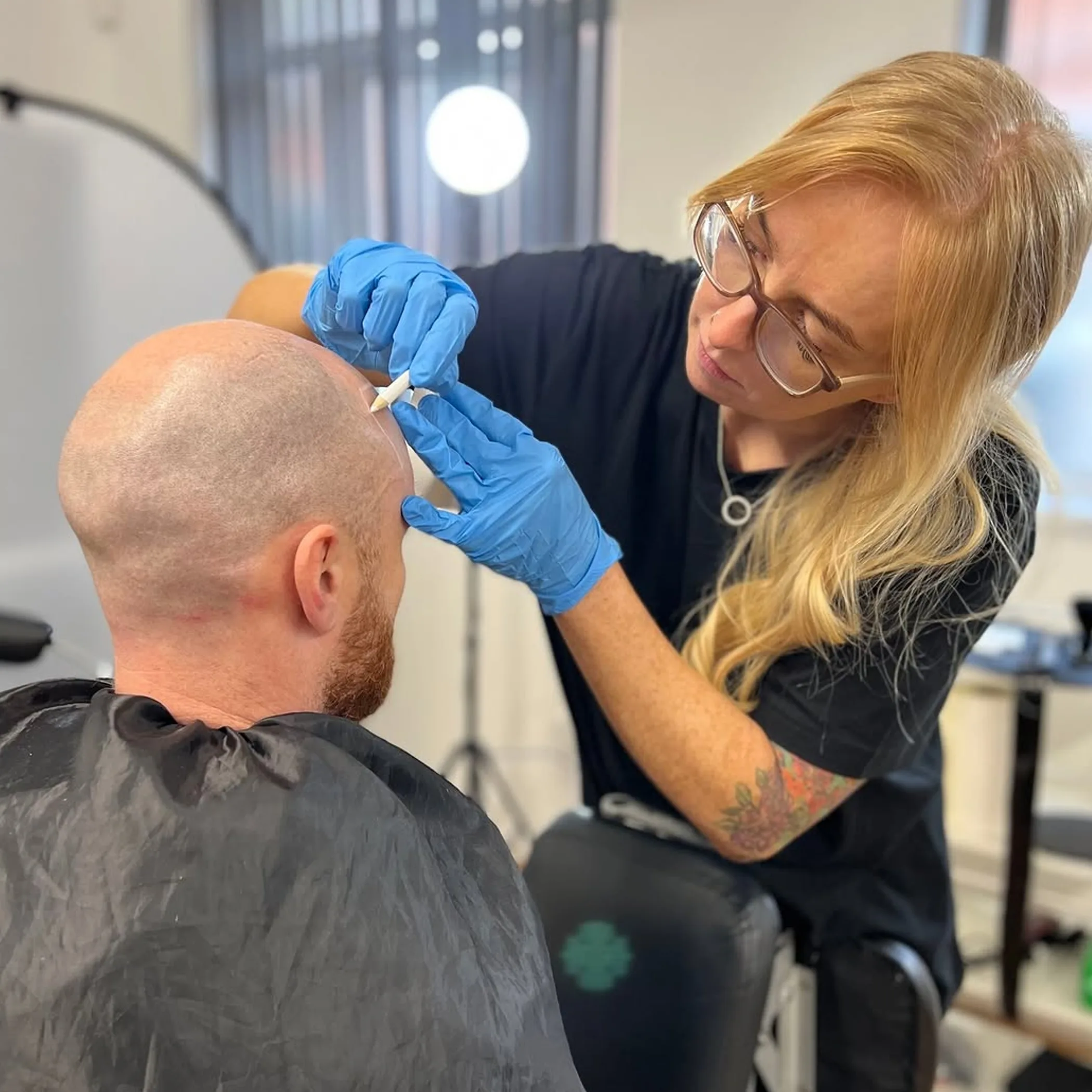
As a rule, the person behind the business and the premises itself will both need to be registered with the council for cosmetic tattooing. A new set of approval obligations may be in order when you put down roots in a home studio after having a room at a salon. You will find the same is true if mobile cosmetic tattooing is to be part of your service offering.
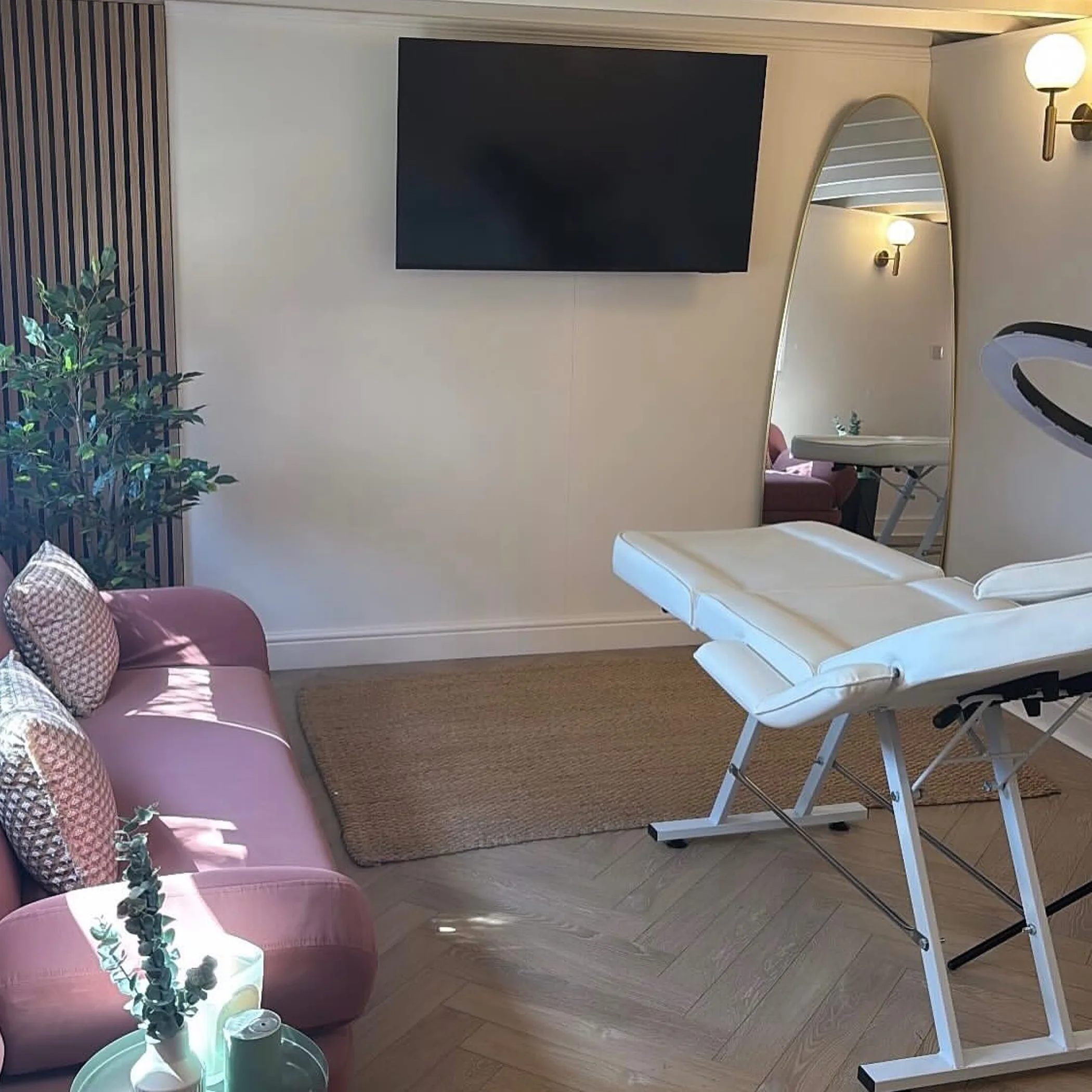
Councils have little time for an attractive treatment room that has the wrong sink, surfaces or instrument workflow; they want to see infection control in practice. And while a ring light might look the part, it will not make up for a deficient cleaning system.
What Inspectors are Looking For
In the course of a health inspection a council will be on the lookout for proper handwashing and lighting, washable surfaces, safe sharps containers, clean storage and the like. They will also want to see that clinical waste is disposed of correctly and that there is a clear separation between the clean and dirty sides of your operation, with procedures in place for sterilisation.
Then there is the matter of client files, consent forms, cleaning rosters and staff training. An inspector will check that single-use items are being put aside as they should be. Since requirements are not uniform, let the council’s application papers be your guide.
| Compliance Area | What To Confirm | Common Catch |
|---|---|---|
| Operator status | do you need an individual licence or registration? | The common error is to think a certificate from a course is the same thing. |
| Premises | any need for planning approval or registration? | Do not start from home without the landlord’s say so or having looked into zoning. |
| Training | are your cosmetic tattoo and infection-control credentials ones that will be accepted? | Have you put stock in some short course that is not? |
| Infection control | your handwashing and sterilisation must be beyond reproach. | A domestic product will not do if there is no process to show for it. |
| Waste | how are you handling sharps and the rest? | Contaminated material does not belong in the general rubbish. |
| Client protection | before you take payment you should have covered the risks and what to expect in healing. | Have your records and complaints procedure in order. |
You will not find a national percentage to vouch for compliance, but the public-health angle makes these controls necessary. The ABS will tell you Australia has its share of small business and a large population; one minor oversight can become a problem when replicated by the thousands. The figure of merit is not some contrived infection rate but the exposure involved in each client contact and whether it is good practice or cross-contamination.
Licensing in Queensland
If you are looking for a cosmetic tattoo licence in Queensland the answers can be muddled given the mix of state and local council rules. Councils such as Brisbane City or the Gold Coast have their way of dealing with skin penetration and personal appearance services.
Before you put an ad out or commit to a lease and equipment, have a word with the council and the Queensland Government. Find out if your service is classed as tattooing or something else and if the council wants notification, an operator licence or to come and inspect.
Brisbane and Gold Coast
Do not assume a permit from one council will hold water in another; the two cities have different forms and planning requisites. Work across a boundary and you need to check on it.
For the mobile operator in Queensland, regulation is not going to go away because you are on wheels. You still require a lawful venue, hand hygiene, a safe workflow and to put your waste where it belongs.
Other States
The terminology and the path to approval is not the same in New South Wales, Victoria or WA. South Australia and the territories have their own public-health set up. Do not be tempted to use a friend’s forms from over the border. What passes in Victoria will not necessarily sit well with a NSW council and the language used by WA Health is not the same as an Adelaide or Hobart authority.
Make a Comparison of the Variables
In NSW put it to the council on how they classify skin penetration and what their standards are for waste and hygiene. In Victoria you would do well to check on any higher-risk service obligations and premises standards. In Western Australia the relevant local government and WA Health can advise on operator and premises needs.
Those in the ACT, Northern Territory, Tasmania and South Australia should follow suit: get written guidance from the locality and verify your training and the premises pathway. One has to factor in the Australian climate as well. Up in the Top End or northern WA the wet season brings power and cyclone issues from November through April which will impact on storage and the safety of an appointment. For the home studio in bushfire country an evacuation plan is just as important.
Home And Mobile Business Rules
Is it legal to put in a tattoo from your home in Australia? In some cases, yes, provided the studio you have set up is in keeping with all health, council, planning, tenancy and insurance stipulations. Do not be under the impression that a spare room with a treatment bed is of itself a lawful clinic.
Those running an operation out of home would do well to look into zoning, development approval, what the landlord or owners-corporation allows, as well as matters of parking, privacy, ventilation and waste collection. And while Frankie the dog is no doubt a charmer, pets are not to be allowed in the treatment or clean-storage zone.
Structure is Required for Mobile Work
There are additional control issues with mobile cosmetic tattooing. It calls for a transport system that is clean, sterile supplies that are protected, separate instruments for what has been used, proper storage for sharps, adequate lighting and a way to dispose of them lawfully. You must also be sure the client’s location is suitable.
One does not carry out a procedure in a car that is too tight, or outdoors where there is dust, or in any room lacking in handwashing facilities. If the weather or smoke or heat or the light is such that safety is compromised, put off the appointment. A refund is a small price to pay compared with an infection-control problem and having to make amends with the council.
A Checklist for Hygiene and Waste
The best compliance systems are ones you can adhere to even when things are busy. Put the process in writing and make sure anyone helping you is trained in it; see to it is reviewed if there is a change in your equipment, products or premises.
- Prior to trading, you will want to have in order your service classification, any tattoo operator licence, council registration and premises approval.
- Your training in cosmetic tattoo and infection control should be of the accepted standard, HLTINF005 or its like as the council would have it.
- Have procedures on file for sterilisation, disinfection, cleaning and handwashing.
- Inspect the packaging of your sterile supplies before using them and ensure they are kept in good condition.
- For clinical waste use an appropriate provider and a container for sharps that is compliant.
- Records are to be kept of consent, medical screening, aftercare, needles, pigment and the treatment itself.
- Have your licences or certificates on display and the maintenance and inspection records to hand.
- New pigments should be vetted against tattoo ink regulation, product information and supplier traceability, and your insurance reviewed.
When an appointment comes around, verify the client’s identity, age, what they expect, their medication and allergies. There are minimum age rules that vary and parental consent is not a panacea for every legal or safety concern. No informed consent, no treatment.
On the Legitimacy of a Master Tattoo Title
One might question the legitimacy of a “master” title since it is more of a marketing ploy than something issued by government. It may denote an award or private training but is not proof of lawful operation.
Do not be swayed by the badge on the wall. See what the certificate says, how the assessment was done, who gave it and if it is still valid. Is the training nationally recognised? Will your insurer or council countenance it?
Reality Check
You may think a prestigious title entitles you to work anywhere in this country. The reality is that local rules, the premises and the service dictate your authority.
It is not just about having sterile gear to be in compliance. There is the matter of workflow, consent, records, storage, waste and being ready for an inspection. The paperwork is not very glamorous, but neither is having to account for a breach that could have been avoided.
Some Questions Clients Put to You
These come up a lot and can be costly if you have misconceptions.
Do You Need a Licence?
More often than not. Or at the very least a form of council registration or operator authorisation. It is a function of your state and service type. Get it in writing before you take on clients.
Are Tattoos a Thing of the Past in 2026?
Not by any rule. Fashion is fickle but safety and legality are not. In many places cosmetic tattooing is regulated so you follow the requirements.
What of Tattoo Ink Regulation?
While there are product and labelling considerations for inks and pigments, the onus is on the operator to be thorough. Retain batch details and instructions from the supplier. Do not go by the assumption that what is for sale online is fit to be implanted in skin.
Making an Artist of Yourself
It involves the right kind of training and infection-control knowledge, time in practising under supervision, putting in place your hygiene and waste systems and insuring yourself. Then you confirm the rules for wherever you plan to be working.
Home-Based Work?
You can, but planning approval, a health inspection and the like may be called for by the council. Check on the address before you start advertising or put out money for equipment. Running from home is a question of compliance, not just a way to save on rent.
The Bottom Line on Compliance
With the 2026 regulations for cosmetic tattoo in Australia you can manage things if you approach it from the address: identify the service, get the council’s view, have the right training, put the premises in order and document it.
Queensland Health’s guidance on personal appearance services is a sound place to begin, after which you should put in with your own state health authority and council to be sure. This guide is meant to be a practical map, not a stand-in for the written approval of the authority over your premises, and application processes are subject to change.